


Why Skin Loses Moisture in Winter
Winter air holds less moisture than warm air. When humidity drops, water escapes from the skin more easily. Indoor heating makes this worse by drying the air even more. At the same time, people often drink less water in winter and choose fewer fresh foods.
Your skin barrier also works harder in cold weather. This outer layer helps slow down water loss. When the barrier is weak, skin can feel tight, rough, or flaky. Nutrition supports this barrier from within. Without enough key nutrients, the skin struggles to stay hydrated, no matter how much lotion you apply.
What Skin Hydration Really Means
Hydrated skin is not just about water on the surface. True hydration means skin cells can hold on to moisture and stay balanced. This process depends on fats, minerals, and vitamins that support cell structure and function.
When your body gets the right nutrients, your skin can better manage moisture, stay flexible, and feel more comfortable in dry conditions. Winter is when these nutrients matter most.
Key Nutrients for Hydrated Winter Skin
1. Omega Fatty Acids
Omega fatty acids are found in foods like fish, flaxseed, and walnuts. They support the skin’s natural oil layer. This layer slows moisture loss and keeps skin feeling soft.
In winter, the skin’s oil balance can drop. Without enough healthy fats, skin can feel dry or irritated. Omega fatty acids support the skin barrier so moisture stays where it belongs.
2. Vitamin A
Vitamin A plays a role in skin cell heath. Healthy skin cells hold moisture better than damaged or uneven ones. In winter, dry air can slow natural skin turnover.
Vitamin A supports the process that keeps skin smooth and balanced. It also helps the skin respond to seasonal stress, making it an important nutrient for winter skin care from the inside.
3. Vitamin C
Vitamin C is well known for its role in collagen support. Collagen helps give skin structure and firmness. When skin structure is strong, it holds moisture more effectively.
Cold weather can stress the skin and affect its appearance. Vitamin C supports the skin’s natural repair processes and helps maintain a healthy look during winter months.
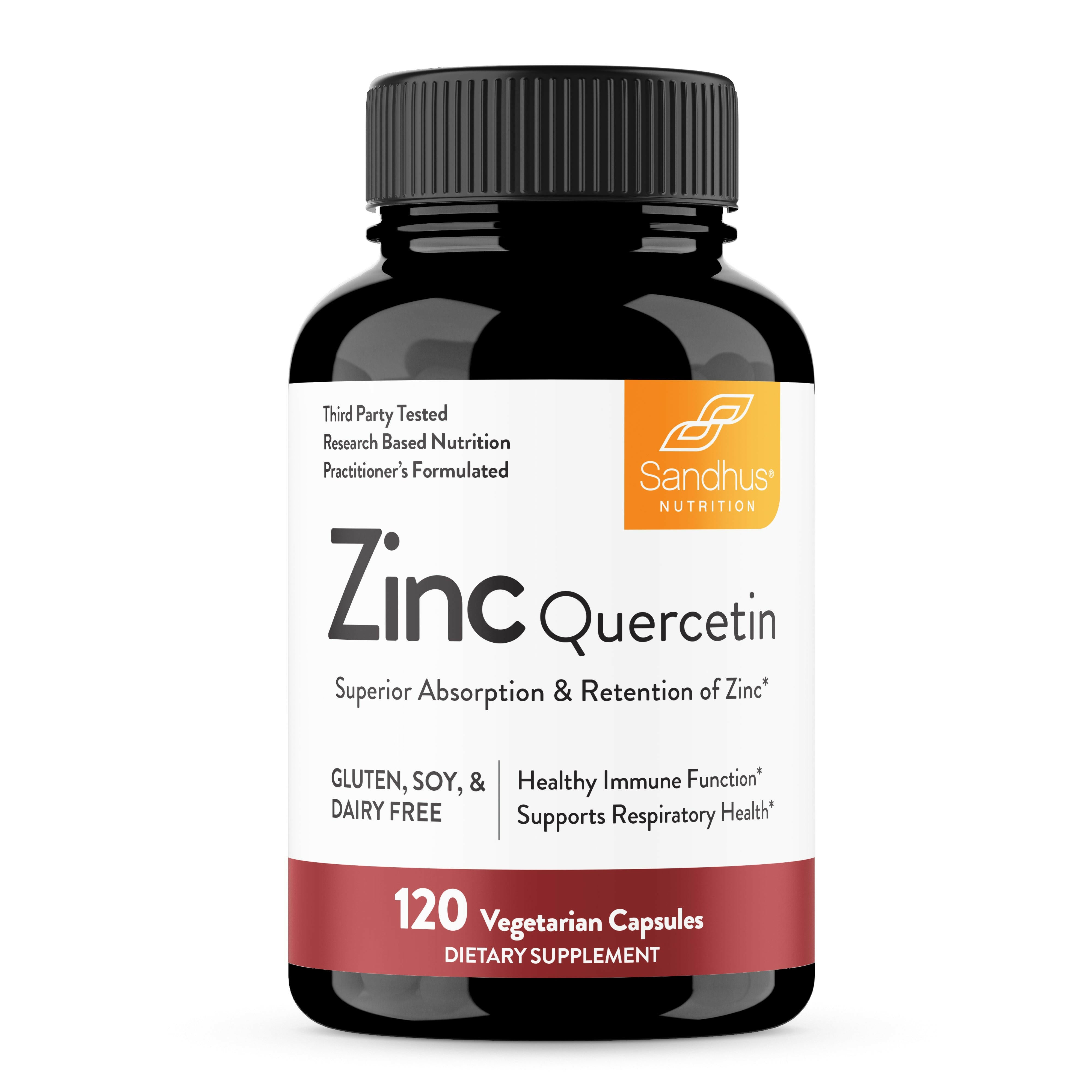
4. Zinc

Zinc is a key mineral for skin health and one of the most important nutrients for winter skin hydration. It supports skin structure and helps maintain a healthy skin barrier.
Zinc also plays a role in how skin cells grow and renew. When zinc intake is low, skin may take longer to recover from dryness or irritation. Winter is a common time for zinc intake to drop due to seasonal diet changes.
Including zinc in your routine can help support balanced, hydrated skin. That is why many people consider taking a zinc supplement during winter as it can support consistent daily intake when diet alone falls short.
5. Vitamin E
Vitamin E supports skin comfort and moisture balance. It works alongside healthy fats to support the skin barrier. This barrier helps slow moisture loss, which is especially important in cold, dry air.
In winter, the skin may feel more sensitive. Vitamin E supports skin resilience and helps maintain a smooth, nourished feel.
6. Biotin
Biotin is often linked to hair and nails, but it also plays a role in skin hydration. It supports the production of fatty acids that help nourish the skin.
When biotin levels are low, skin may feel dry or uneven. Winter stress can increase the need for biotin, making it a helpful nutrient during colder months.
Daily Habits That Help These Nutrients Work Better

Nutrition works best when paired with simple daily habits. Drinking enough fluids, eating balanced meals, and avoiding overly hot showers all support skin hydration. Consistency matters more than quick fixes.
Winter skin care is not about doing more. It is about supporting your body in the right ways every day.
Final Takeaway
Winter skin dryness is not only a surface problem. It often starts inside the body. Supporting your skin with the right nutrients helps it manage moisture, stay comfortable, and look healthy during colder months.
Hydrated skin in winter comes from daily choices, balanced nutrition, and steady support. When you care for your skin from the inside and outside, it shows.
FAQs
1. Can oily skin still be dehydrated in winter?
Yes. Oily skin can lack water even if it produces oil. Hydration and oil balance are different.
2. Do I need zinc supplement for winter skin hydration?
Zinc supports the skin barrier, which helps skin retain moisture during winter. Including
zinc supplement
as part of your daily routine can help support consistent skin hydration during colder months.
3. Can these nutrients be taken daily during winter?
Many people use them daily as part of a winter wellness routine. Always follow label directions and consult a professional if needed.
References
- Gupta M, Mahajan VK, Mehta KS, Chauhan PS. Zinc therapy in dermatology: a review. Dermatol Res Pract. 2014;2014:709152. doi:10.1155/2014/709152. PMID: 25120566; PMCID: PMC4120804. Learn More
- Pullar JM, Carr AC, Vissers MCM. The Roles of Vitamin C in Skin Health. Nutrients. 2017 Aug 12;9(8):866. doi:10.3390/nu9080866. PMID: 28805671; PMCID: PMC5579659. Learn More
- Park EH, Jo DJ, Jeon HW, Na SJ. Effects of winter indoor environment on the skin: Unveiling skin condition changes in Korea. Skin Res Technol. 2023 Jun;29(6):e13397. doi:10.1111/srt.13397. PMID: 37357654; PMCID: PMC10264749. Learn More
