


Why February Is a Key Month for Immune Support
During winter, the body faces a few common challenges. People spend more time indoors, fresh produce options feel limited, and vitamin D levels often drop due to less sun exposure. At the same time, daily stress, poor sleep, and skipped meals can place extra strain on immune balance.
Food plays a quiet but steady role here. Eating seasonal produce helps the body get nutrients in a form it recognizes and absorbs well. February produce is often harvested closer to home, stored properly, and available at peak quality. This makes it easier to build meals that support everyday immune health.
How Food Supports the Immune System in Simple Terms
The immune system relies on nutrients to help immune cells function normally. Certain vitamins, minerals, and plant compounds support this process.
Three nutrients often discussed in immune health are zinc, quercetin, and vitamin D.
Zinc supports normal immune cell activity and is involved in many daily processes. Quercetin is a natural plant compound that helps support immune balance and antioxidant activity. Vitamin D works with immune cells and is especially important during winter months when sunlight exposure is low.
Many February foods naturally contain or support these nutrients, which makes seasonal eating a smart place to start.
February Seasonal Produce That Supports Immune Nutrition

February produce may look simple, but it is packed with value.
- Citrus fruits like oranges and grapefruit are common this time of year. They provide vitamin C, which supports normal immune health and works alongside other nutrients.
- Onions are another winter staple. They contain quercetin and add flavor to meals without extra calories. Apples also provide quercetin and fiber, making them an easy daily fruit.
- Leafy greens like kale and spinach are widely available in February. They offer vitamins, minerals, and plant compounds that support overall wellness.
- Mushrooms are especially interesting in winter. Certain mushrooms exposed to light can support vitamin D intake through food, which is helpful when sunlight is limited.
- Legumes like lentils and chickpeas, along with pumpkin seeds, contribute zinc and plant protein. These foods are filling, affordable, and easy to add to meals.
- Garlic and broccoli round out February produce with compounds that support antioxidant activity and daily immune balance.
A Simple Immune-Supporting February Meal Plan
This meal plan focuses on balance, variety, and consistency. Not every meal needs every nutrient. What matters is how meals add up over the day.
Breakfast Ideas
- A mushroom and spinach omelet cooked lightly with olive oil is a warm, filling start to the day. Mushrooms help support vitamin D intake, while greens add plant nutrients.
- Another option is oatmeal topped with sliced apples and pumpkin seeds. This provides fiber, zinc support, and natural plant compounds without being heavy.
- A citrus fruit bowl paired with yogurt or eggs also works well for busy mornings.
Lunch Ideas
- A lentil and vegetable soup with onions, garlic, and carrots is easy to prepare and stores well. Lentils support zinc intake, while onions add quercetin.
- A kale salad with chickpeas, olive oil, and lemon juice offers plant protein, minerals, and seasonal greens. Adding seeds improves texture and nutrient variety.
- Roasted sweet potatoes with leafy greens make a simple, satisfying lunch that keeps energy steady.
Dinner Ideas
- Roasted broccoli, onions, and mushrooms served with a protein of choice creates a balanced evening meal. Light cooking helps preserve nutrients while improving taste.
- A cabbage and garlic stir-fry is another winter-friendly option that supports digestion and variety.
- Vegetable-based soups using February produce are comforting and easy to customize throughout the week.
Snack Ideas
Apple slices with seeds, roasted chickpeas, or citrus fruit are simple snacks that support daily nutrition without processed ingredients.
Why Consistency Matters More Than Perfection

Supporting immune health is not about one powerful food or one perfect meal. It is about daily habits that give the body steady nourishment. Seasonal meal plans make this easier because they ease decision fatigue and rely on foods that are easy to find.
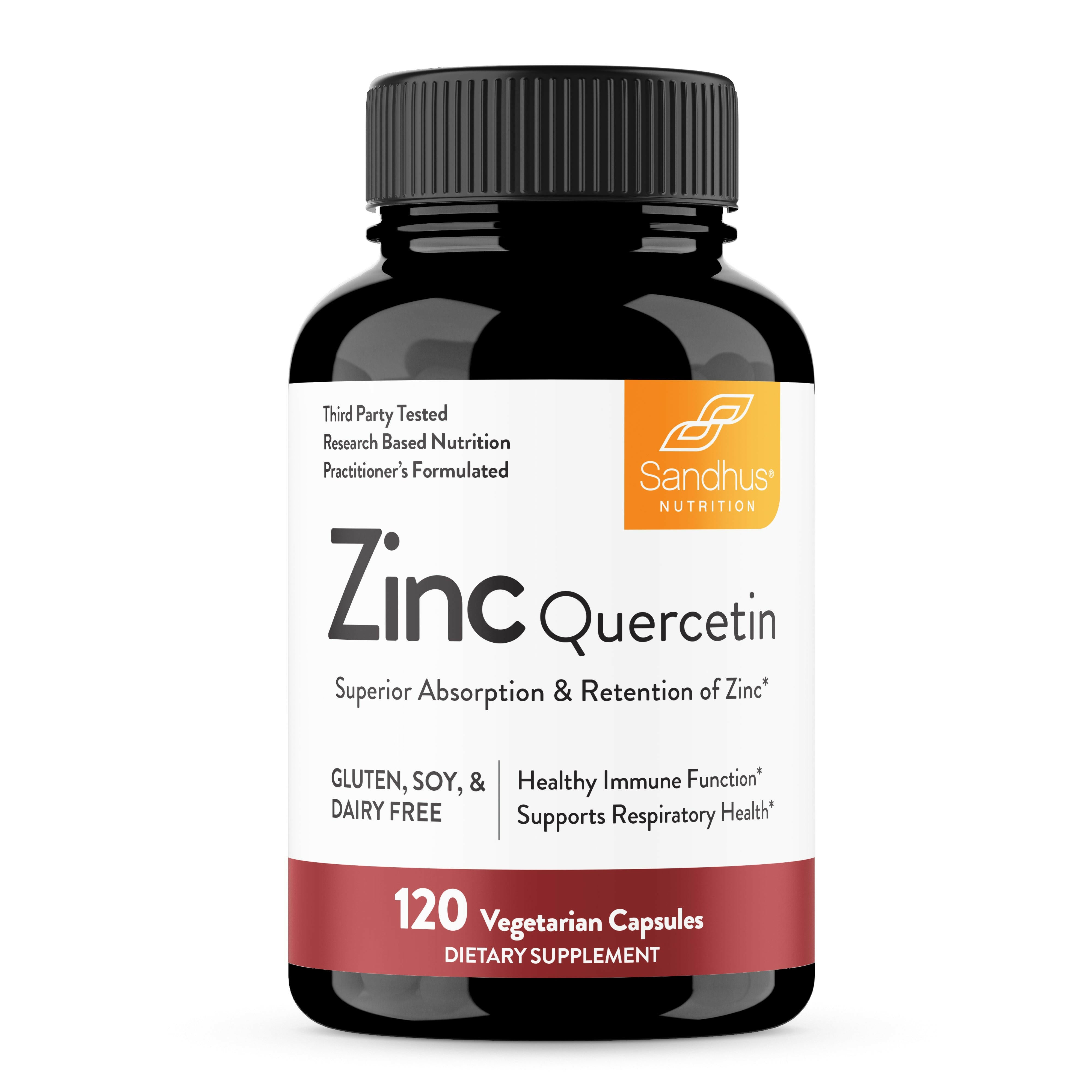
Food supports the foundation of immune health. Supplements can help fill gaps when diet or lifestyle falls short, especially during winter months. That is why many people chose Zinc Quercetin supplements or Vitamin D supplement. When used responsibly, both food and supplements work best together.
Final Takeaway
February seasonal produce offers more than comfort meals. It provides simple foods that support immune nutrition in a natural, steady way. By building meals around seasonal fruits, vegetables, legumes, and seeds, you give your body daily support without stress or complexity.
Start with one meal. Add one seasonal food. Small steps repeated daily make the biggest difference.
FAQs
1. Can zinc and quercetin supplements be taken along with an immune-supporting meal plan?
Yes. A balanced diet supports daily nutrition, while
zinc and quercetin supplements
help fill nutrient gaps when food intake is limited. Always follow label directions and consult a healthcare professional if needed.
2. Which February foods support zinc intake?
Lentils, chickpeas, pumpkin seeds, and whole foods commonly available in winter contribute zinc.
3. Is vitamin D harder to get in February?
Yes. As there will be less sunlight, food sources and
Vitamin D supplements
often help vitamin D intake during winter.
References
- Wessels I, Maywald M, Rink L. Zinc as a Gatekeeper of Immune Function. Nutrients. 2017 Nov 25;9(12):1286. doi: 10.3390/nu9121286. PMID: 29186856; PMCID: PMC5748737. Learn More
- Aranow C. Vitamin D and the immune system. J Investig Med. 2011 Aug;59(6):881-6. doi: 10.2310/JIM.0b013e31821b8755. PMID: 21527855; PMCID: PMC3166406. Learn More
- Calder PC. Foods to deliver immune-supporting nutrients. Curr Opin Food Sci. 2022 Feb;43:136-145. doi: 10.1016/j.cofs.2021.12.006. Epub 2021 Dec 18. PMID: 34976746; PMCID: PMC8702655. Learn More
