


Why Is Elderberry Popular in Seasonal Wellness?

Elderberry comes from the berries of the elder plant. These dark berries naturally contain plant compounds called anthocyanins, which are part of a larger group of compounds found in colorful fruits and vegetables.
Anthocyanins have antioxidant properties. Antioxidants help the body ease oxidative stress that occurs as part of normal metabolism and everyday exposure to environmental factors.
Elderberry has also been used traditionally in foods and wellness preparations for many years. Today, it is commonly included in seasonal wellness supplements, especially during times when people want to stay consistent with their everyday wellness habits.
But elderberry is only one type of ingredient. Some formulas combine it with vitamins, minerals, and other plant compounds.
Why Is Zinc Often Paired With Elderberry?
Zinc is an essential mineral, meaning the body needs it but cannot make it on its own. It plays several important roles in normal body function, including supporting normal immune function.
You can get zinc from foods such as meat, shellfish, dairy products, beans, nuts, and seeds. Supplements are another source for people who want a convenient way to add zinc to their routine.
So why might you see elderberry and zinc together?
They bring different types of ingredients to the same formula. Elderberry provides naturally occurring plant compounds, while zinc provides an essential mineral. This makes the combination appealing for people looking for convenient immune support as part of their daily wellness routine.
What Does Vitamin D3 Bring to an Elderberry Formula?
Vitamin D3 is one form of vitamin D. Your body can make vitamin D when skin is exposed to sunlight, and vitamin D can also come from foods and supplements.
Vitamin D has several roles in the body. One of them is supporting normal immune function. It also helps the body absorb calcium and supports normal muscle function.
An elderberry and vitamin D3 combination therefore brings a vitamin into a formula that already contains plant-based ingredients.
Why Is Vitamin C Commonly Added to Elderberry?

Vitamin C is another essential nutrient that is well known for its role in everyday wellness. It acts as an antioxidant and supports normal immune function. It also contributes to collagen formation and helps the body absorb iron from plant-based foods.
Citrus fruits, strawberries, peppers, tomatoes, and broccoli are some dietary sources of vitamin C.
When vitamin C and elderberry appear together, they provide different types of support within the same formula. Elderberry supplies naturally occurring plant compounds, while vitamin C provides an essential vitamin with several established roles in normal body function.
That makes this pairing easy to understand without treating either ingredient as a cure or treatment.
What Makes Quercetin Different?

Quercetin is not a vitamin or mineral. It is a flavonoid, a type of plant compound naturally found in foods such as apples, onions, berries, and other plants.
Like other plant compounds, quercetin has antioxidant properties. It has become a popular ingredient in wellness formulas because it gives consumers another plant-based component alongside ingredients such as elderberry.
An elderberry and quercetin formula therefore combines two different sources of plant compounds. The goal is not to suggest that one ingredient makes the other stronger. Rather, they can be included together as part of a broader wellness formula.
Why Add Ginger to Elderberry?
Ginger brings a different botanical perspective to an elderberry formula. It contains naturally occurring compounds such as gingerols and has a long history of use as a food and traditional botanical.
Elderberry and ginger are both commonly included in seasonal wellness formulas. Elderberry provides naturally occurring plant compounds with antioxidant properties, while ginger adds its own botanical compounds to the combination. Together, they can be part of a broader immune health support routine.
Do You Need All These Ingredients?

Your dietary intake, lifestyle, existing supplement routine, and individual needs all matter.
A combination elderberry supplement may be convenient if you prefer getting several ingredients in one serving. However, it is still important to read the Supplement Facts panel and understand exactly what you are taking.
More ingredients do not automatically mean a better supplement. What matters is whether the formula is clearly labeled, thoughtfully formulated, and appropriate for your personal needs.
Final Takeaway
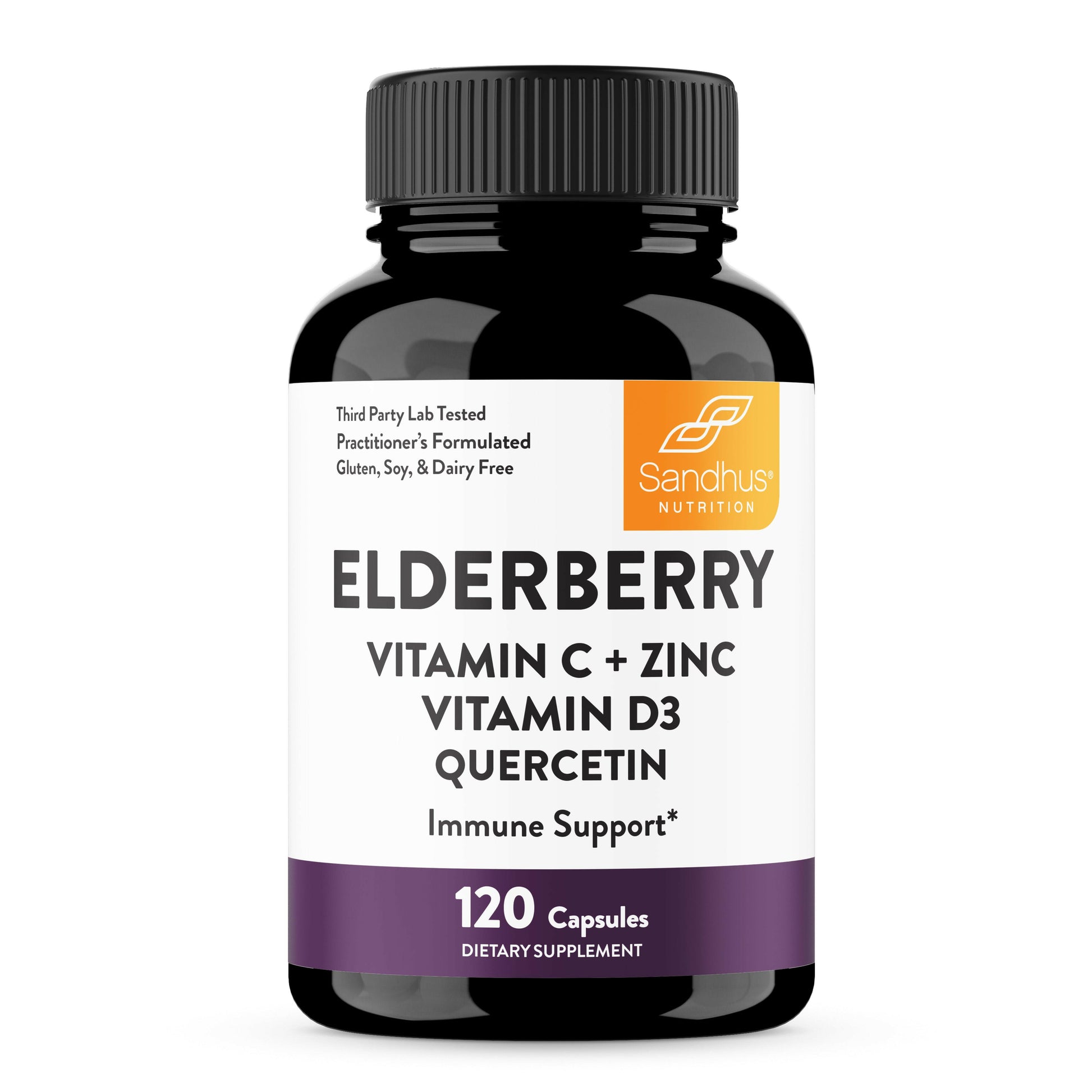
Elderberry can stand on its own as a popular botanical ingredient, but combination formulas offer another approach. Zinc, vitamin D3, vitamin C, quercetin, and ginger each bring something different to an elderberry wellness formula.
The key is understanding what each ingredient actually is and what role it plays. That makes it easier to read supplement labels, compare formulas, and choose an option that fits your everyday wellness routine.
FAQs
1. Can you take elderberry every day?
Yes, many people include elderberry in their daily wellness routine. Follow the product’s serving directions and ask your healthcare professional if you take medications.
2. What should I look for in an elderberry supplement?
Look for clear ingredient amounts, transparent labeling, quality manufacturing, and third-party testing when available.
3. Can elderberry supplements be taken with food?
It depends on the product. Follow the serving directions on your supplement label for the best guidance.
References
- Wessels I, Maywald M, Rink L. Zinc as a Gatekeeper of Immune Function. Nutrients. 2017 Nov 25;9(12):1286. doi: 10.3390/nu9121286. PMID: 29186856; PMCID: PMC5748737. Learn More
- Wieland LS, Piechotta V, Feinberg T, Ludeman E, Hutton B, Kanji S, Seely D, Garritty C. Elderberry for prevention and treatment of viral respiratory illnesses: a systematic review. BMC Complement Med Ther. 2021 Apr 7;21(1):112. doi: 10.1186/s12906-021-03283-5. PMID: 33827515; PMCID: PMC8026097. Learn More
- Aghababaei F, Hadidi M. Recent Advances in Potential Health Benefits of Quercetin. Pharmaceuticals (Basel). 2023 Jul 18;16(7):1020. doi: 10.3390/ph16071020. PMID: 37513932; PMCID: PMC10384403. Learn More
