


What Does Restless Sleep Really Feel Like?
Restless sleep is not always about staying awake all night. It can show up in simple ways that are easy to ignore at first.
You may:
- Wake up often during the night
- Feel like your sleep is light or broken
- Toss and turn without knowing why
- Wake up tired even after enough hours
Over time, this can affect your energy, mood, and focus during the day.
How Is Vitamin D Linked to Sleep?
Vitamin D is often known for supporting bone and immune health. But it supports beyond that. It also plays a role in how your body manages sleep.
Your body has a natural sleep-wake cycle. This cycle tells you when to feel alert and when to feel sleepy. Vitamin D helps support this balance.
It also works with parts of the brain that are involved in sleep signals. One of those signals includes melatonin, a hormone that helps your body prepare for rest.
When your vitamin D levels are low, this balance may not work as smoothly. That can make it harder for your body to fully relax into deep, restful sleep.
5 Ways Low Vitamin D May Affect Your Sleep
1. Impacts Your Body Clock
Your body follows a daily rhythm. Light exposure during the day helps set this rhythm. Vitamin D is linked to this process. Low levels may make it harder for your body to stay on a steady sleep schedule.
2. Influences Sleep Signals

Melatonin is your body’s natural “sleep signal.” Vitamin D supports normal signaling in the brain. When levels are low, your sleep cues may feel weaker or delayed.
3. Affects Mood and Calmness
Low vitamin D levels are often linked with low mood. When your mind feels restless or stressed, your sleep may feel restless too.
4. Leaves You Tired but Not Rested
You may feel low energy during the day, yet still struggle to settle at night. This mismatch can lead to poor sleep quality over time.
5. Reflects Low Sunlight Exposure
Vitamin D is known as the “sunshine vitamin.” If you spend most of your time indoors, your body may not get enough. Less sunlight can also confuse your natural sleep-wake signals.
Signs You Might Be Low in Vitamin D
Low vitamin D is common, especially in people who spend less time outdoors. Some signs may include:
- Feeling tired even after sleep
- Low daytime energy
- Changes in mood
These signs are not specific, but they can point to a possible imbalance.
How to Support Healthy Vitamin D Levels

Supporting your vitamin D levels does not have to be complicated. Small daily habits can make a difference.
Sunlight
Spending some time in natural sunlight can help your body produce vitamin D. Even short periods during the day can be helpful.
Food Choices
Foods like fatty fish, egg yolks, and fortified products can add to your intake, though it may still be hard to get enough from diet alone.
Supplement Support
Vitamin D3 supplements can help maintain healthy levels, especially if sunlight exposure is limited.
Magnesium Matters Too
Magnesium plays a supportive role in how your body uses vitamin D. It also helps with muscle relaxation and calming the nervous system. Together, vitamin D and magnesium can support overall sleep quality in a balanced way.
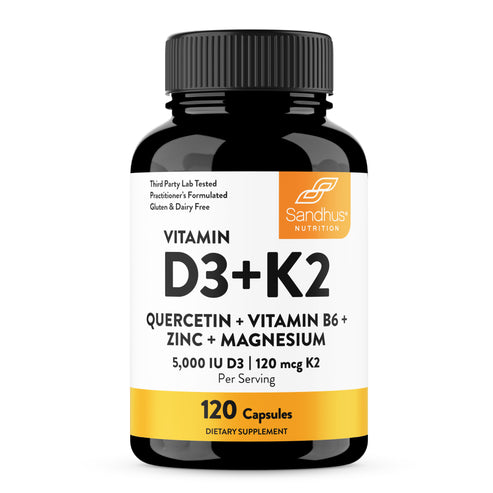
A Simple Way to Support Your Sleep from Within
If you have been focusing only on sleep habits and not seeing results, it may be time to look deeper.
Your body needs the right nutrients to support its natural rhythms. Vitamin D is one of those key nutrients that works quietly in the background.
Supporting healthy vitamin D levels may help your body maintain a more balanced sleep cycle and suport how rested you feel.
Final Takeaway
Restless sleep is not always about what you do at night. Sometimes, it is about what your body may be missing during the day.
Low vitamin D levels are common and often overlooked. While it is not the only factor, it can play a role in how well you sleep and how you feel when you wake up.
If your sleep does not feel refreshing, it may be worth checking your vitamin D levels and supporting them in a simple, consistent way.
Better sleep may start from within.
FAQs
1. Is sunlight enough for vitamin D?
Sunlight can help, but factors like lifestyle, skin type, and location can affect how much your body produces. That’s why most people chose Vitamin D3 supplement.
2. Can I take vitamin D3 daily?
Many people use vitamin D3 as a daily supplement. It is best to follow label directions or speak with a healthcare professional.
3. Does magnesium help with sleep too?
Magnesium supports relaxation and works with vitamin D in the body, which helps overall sleep quality.
References
- Patel, A. K., Reddy, V., Shumway, K. R., et al. Physiology, Sleep Stages. [Updated 2024 Jan 26]. StatPearls [Internet]. Treasure Island (FL): StatPearls Publishing; 2026 Jan-. Learn More
- Cai, Z., Rui, S., Huang, N., Feng, F., & Luo, Y. The role of vitamin D in sleep regulation: mechanisms, clinical advances, and future directions. Frontiers in Nutrition. 2025;12:1595813. doi: 10.3389/fnut.2025.1595813. Learn More
- Schiza, S., Bouloukaki, I., Kaditis, A., Lombardi, C., & Bonsignore, M. R. Vitamin D deficiency: a forgotten aspect in sleep disorders? A critical update. Sleep Medicine. 2024;121:77-84. Learn More
