


Why Calcium Became the Go To for Bone Health

Calcium is a major mineral found in bones and teeth. Your skeleton stores most of the calcium in your body, which gives bones their strength and structure.
As people age, bone density naturally declines. This is especially common in women after menopause and in older adults. Because bones contain so much calcium, increasing calcium intake became a common recommendation for supporting bone strength.
Calcium supplements became popular because many people do not get enough from food alone. Dairy intake has declined, and some people avoid milk due to dietary preferences. Supplements seemed like an easy solution.
However, taking calcium is only one part of the process.
The Limitation of Taking Calcium Alone
Your body cannot absorb calcium efficiently without certain supporting nutrients. When calcium intake is high but absorption is low, much of it simply passes through the body unused.
Even more important, calcium must be directed to bones instead of accumulating in soft tissues. The body requires a nutrient system that manages where calcium goes after absorption.
Without proper nutrient balance, calcium may not be utilized the way people expect. This is why many health professionals now discuss nutrient combinations instead of single nutrient solutions.
Simply put, calcium needs guidance inside the body.
How Vitamin D3 Helps Your Body Absorb Calcium
Vitamin D3 plays a key role in helping your digestive system absorb calcium from food and supplements. Without enough Vitamin D3, your body struggles to move calcium from the intestine into the bloodstream.
Think of Vitamin D3 as a gatekeeper. It helps open the pathway that allows calcium to enter circulation.
Low Vitamin D levels are common. Limited sun exposure, indoor lifestyles, and aging impact the body’s natural production of Vitamin D. Because of this, many adults may not absorb calcium as efficiently as they should.
Adding Vitamin D3 support proper calcium absorption, but absorption is only half the story.
The Unique Role of Vitamin K2 in Calcium Use

After calcium enters the circulation, it still needs direction. This is where Vitamin K2 becomes important.
Vitamin K2 supports proteins that help bind calcium to bone tissue. In simple terms, it helps guide calcium to areas where it is needed most, such as bones and teeth.
This process supports healthy calcium utilization within the body. Instead of calcium circulating without purpose, Vitamin K2 assists in proper distribution.
Vitamin K2 works closely with Vitamin D3. While Vitamin D3 helps calcium enter the circulation, Vitamin K2 helps manage where it goes next. Together, they create a coordinated system that supports bone health.
Vitamin D3 and K2 vs Calcium Supplements
- Calcium supplements provide the raw material for bones, but they do not manage how efficiently the body absorbs and uses that material.
- Vitamin D3 and K2 focus on supporting calcium handling. They help absorption and assist the body’s natural processes that utilize calcium effectively.
- This is why many people now choose combination supplements. Instead of simply increasing calcium intake, they aim to help how the body uses the calcium already available from food.
- Another benefit is convenience. Taking a Vitamin D3 and K2 supplement simplify a daily routine compared to managing multiple single nutrient pills.
- For individuals who already consume calcium rich foods, supporting calcium utilization may be more practical than adding more calcium.
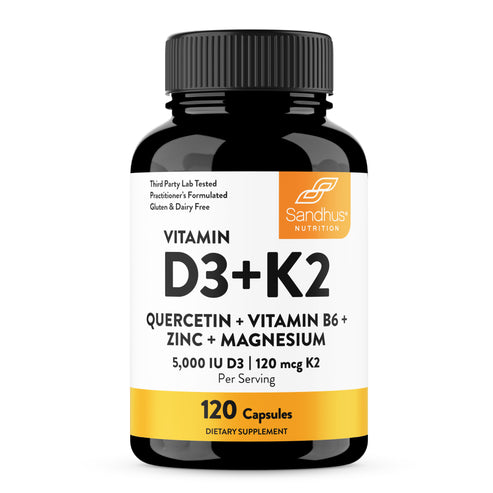
Who May Consider Vitamin D3 and K2 Supplements
- Some groups may benefit more from focusing on supportive nutrients.
- Adults with limited sun exposure may have lower Vitamin D levels. Office workers, older adults, and people living in colder regions often fall into this category.
- Aging adults concerned about bone strength may also look for ways to support calcium balance in the body.
- People who avoid dairy products or follow plant-based diets may want nutritional support for bone health.
- Those who prefer combination supplements for convenience may also consider Vitamin D3 with K2.
- Individual needs vary, so personal health conditions and professional guidance should always be considered.
Final Thoughts

Calcium remains an essential mineral for bone structure, but it does not work alone. Your body relies on a coordinated nutrient system to absorb and utilize calcium effectively.
Vitamin D3 supports calcium absorption, while Vitamin K2 helps guide calcium within the body. Together, they assist the natural processes that support bone health.
For many adults, focusing on how the body uses calcium may be just as important as calcium intake itself. Understanding this difference can help people make informed supplement decisions that fit their lifestyle and nutritional needs.
FAQs
1. Can Vitamin D3 and K2 replace calcium supplements?
They do not replace calcium but support how the body absorbs and uses calcium from food.
2. Is it safe to take Vitamin D3 and K2 together?
These vitamins are often paired in
supplements. Individuals should follow label directions and consult professionals if needed.
3. How long does it take to notice benefits?
Nutrient support works gradually. Consistent daily intake and balanced nutrition are important.
References
- Pu F, Chen N, Xue S. Calcium intake, calcium homeostasis and health. Food Science and Human Wellness. 2016 Mar 1;5(1):8-16. Learn More
- Khazai N, Judd SE, Tangpricha V. Calcium and vitamin D: skeletal and extraskeletal health. Curr Rheumatol Rep. 2008 Apr;10(2):110-7. doi: 10.1007/s11926-008-0020-y. PMID: 18460265; PMCID: PMC2669834. Learn More
- van Ballegooijen AJ, Pilz S, Tomaschitz A, Grübler MR, Verheyen N. The Synergistic Interplay between Vitamins D and K for Bone and Cardiovascular Health: A Narrative Review. Int J Endocrinol. 2017;2017:7454376. doi: 10.1155/2017/7454376. PMID: 29138634; PMCID: PMC5613455. Learn More
