


How Zinc Supports Respiratory Health

Zinc supports respiratory health in a few connected ways. First, it support normal immune response. Your respiratory tract relies on immune cells to respond to everyday environmental exposure. Zinc helps these cells function properly without overstimulation.
Second, zinc supports the integrity of respiratory lining tissues. The lining of the nose, throat, and lungs acts as a barrier. It helps trap particles and maintain moisture balance. Zinc supports normal cell structure and repair, which helps keep this lining healthy.
Third, zinc supports normal and balanced, body’s natural response that helps the lungs stay comfortable during seasonal changes. Zinc does not stop or treat conditions, but it supports the body’s natural ability to respond appropriately.
Why Zinc Needs to Be Consistent
One challenge with zinc is consistency. Since the body does not store large amounts, occasional intake may not be enough. Daily intake supports steady levels, which is important for ongoing respiratory support.
Some people may have higher zinc needs. This can include adults with limited dietary variety, older adults, or those under daily stress. Mild zinc gaps often do not cause clear symptoms right away, but they may affect how well the body maintains normal functions over time.
Zinc from Food Sources
Zinc is found in foods like meat, shellfish, dairy, whole grains, nuts, and seeds. While food is an important source, zinc from plant foods may not absorb as easily. Cooking methods and food combinations can also affect absorption.
For some people, diet alone may not meet daily zinc needs. This is where supplementation can help fill nutritional gaps, especially when taken consistently and in appropriate amounts.
Why Zinc Is Common in Respiratory Support Formulas
Zinc is often included in respiratory and immune support supplements because of its broad role in normal immune and tissue function. It works well as part of a daily wellness routine and pairs naturally with other nutrients that support respiratory balance.
This makes zinc a practical choice for people who want gentle, everyday support rather than short-term solutions.
Choosing a Quality Zinc Supplement

When choosing a zinc supplement, quality matters. Look for products that clearly list the zinc form and amount per serving. Supplements made in GMP-certified facilities help ensure consistent quality.
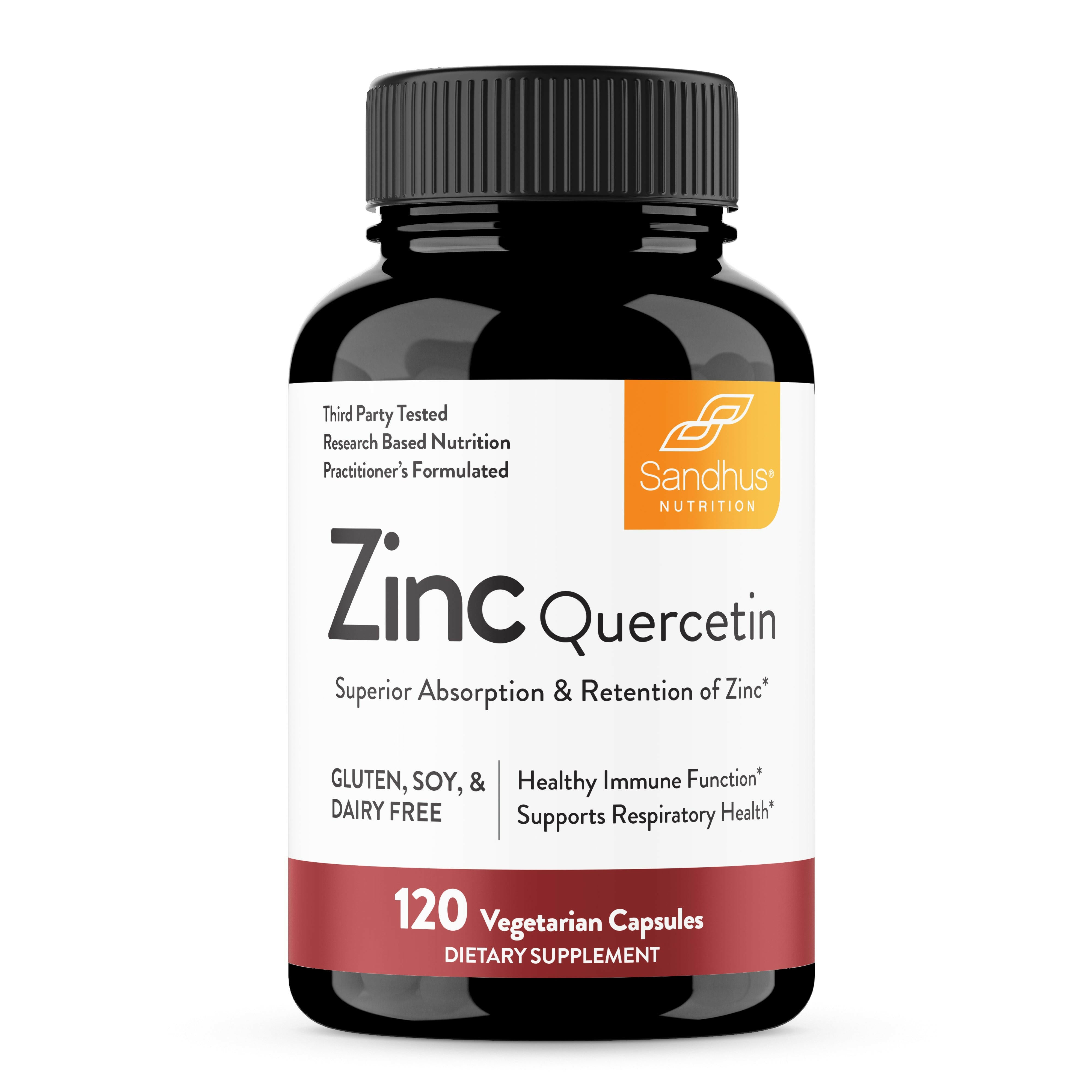
Formulas that combine zinc with supportive nutrients like quercetin can offer broader daily immune and respiratory support.
Third-party testing adds another layer of trust. Avoid products with unnecessary fillers or allergens if you have sensitivities. A clean label and transparent sourcing help you feel confident about what you are taking daily.
Final Takeaway
Zinc plays a quiet but important role in supporting respiratory health. It helps maintain normal immune activity, supports respiratory tissue health, and contributes to everyday breathing comfort. Because zinc is needed regularly, consistent intake matters more than occasional use.
Adding zinc through a balanced diet or a high-quality supplement can be a simple step toward long-term respiratory wellness. Small daily nutrients often make the biggest difference over time.
FAQs
1. Is zinc good for respiratory health?
Zinc supports normal immune response and respiratory tissue health, which plays a role in maintaining healthy respiratory systems.
2. Can zinc be taken every day?
Yes,
zinc is commonly taken daily when used within recommended intake levels.
3. Should zinc be taken with food?
Many people prefer taking zinc with food to support digestion and comfort.
References
- Luan R, Ding D, Xue Q, Li H, Wang Y, Yang J. Protective role of zinc in the pathogenesis of respiratory diseases. Eur J Clin Nutr. 2023 Apr;77(4):427–435. doi: 10.1038/s41430-022-01191-6. PMID: 35982216; PMCID: PMC9387421. Learn More
- Wessels I, Maywald M, Rink L. Zinc as a Gatekeeper of Immune Function. Nutrients. 2017 Nov 25;9(12):1286. doi: 10.3390/nu9121286. PMID: 29186856; PMCID: PMC5748737. Learn More
- Stiles LI, Ferrao K, Mehta KJ. Role of zinc in health and disease. Clinical and Experimental Medicine. 2024;24:38. doi: 10.1007/s10238-024-01302-6. Learn More
