


Why Winter Lowers Vitamin D Levels

Winter changes our relationship with sunlight in several ways
- Shorter days mean fewer daylight hours
- Colder weather keeps us indoors
- Sunlight intensity drops, even during the afternoon
- UVB rays, which the skin uses to produce Vitamin D, weaken significantly
Even if you step outside daily, winter sunlight in many regions simply isn’t strong enough to trigger meaningful Vitamin D synthesis. This is why many people enter the colder months already low on Vitamin D without realizing it.
Vitamin D’s Winter Superpowers
Supports Immune Health
Winter is the prime time for seasonal bugs. Vitamin D is known for its role in supporting a resilient immune response by helping immune cells function efficiently. When levels drop, it may leave the body feeling less prepared to handle seasonal challenges.
Better Energy and Reduced Fatigue
A lot of the sluggishness people feel in winter comes from more than just cold weather. Vitamin D plays a role in muscle function, cellular energy, and even mitochondrial activity. When you are deficient, fatigue can hit harder and linger longer.
Emotional Balance During Low-Light Seasons
Less sunlight can influence mood, motivation, and overall emotional well-being. Vitamin D interacts with pathways linked to serotonin regulation. While it’s not a mood-Supporting miracle, maintaining optimal levels can help support emotional steadiness during gloomy months.
Bone and Muscle Strength

Cold weather often discourages movement, making steady Vitamin D levels that much more important for bone density and muscle support. Adequate Vitamin D helps your body absorb calcium efficiently and maintain strong musculoskeletal function.
Winter Habits to Support Vitamin D Naturally
Spend Time Outdoors During Midday
Even with weaker sunlight, stepping outside for short walks during peak daylight hours can make a difference in your total exposure. Combine fresh air with movement for a double wellness boost.
Eat Vitamin D-Rich Foods
While sunlight is the main source of Vitamin D for most people, certain foods can help bridge the gap.
- Fatty fish like salmon or mackerel
- Fortified nut milks or cereals
- Egg yolks
- Mushrooms exposed to UV light
These foods won’t provide everything you need in winter, but they can support your baseline levels.
Consider Vitamin D Supplements

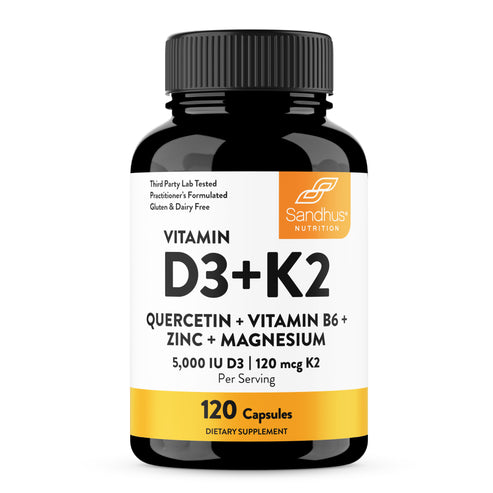
Winter is when many people turn to Vitamin D3 supplements for steady support. Vitamin D3 is the form your body naturally produces from sunlight and is often preferred for maintaining optimal blood levels. Some formulations combine Vitamin D3 with Vitamin K2 to support bone and cardiovascular wellness together.
Simple Lifestyle Shifts for Winter Wellness
A few small habits can make the season feel lighter and more energizing:
- Open curtains early to maximize indoor sunlight
- Stay active with regular walks or stretching
- Add nourishing, warming foods to your meals
- Maintain a consistent sleep routine
- Use light exposure (like stepping outside briefly after waking) to support your internal clock
These habits, combined with balanced Vitamin D levels, can help you feel more vibrant even when the days are short and the sun is scarce.
Final Takeaway
Winter doesn’t have to feel draining. By paying attention to Vitamin D your natural sunshine nutrient you can support immunity, energy, mood, and overall vitality throughout the colder months. When sunlight drops, your wellness strategy just needs a little support to keep you glowing from the inside out.
FAQs
1. Why does Vitamin D drop during winter?
Winter brings shorter days, weaker sunlight, and more time indoors. Because UV-B rays (needed for skin production of Vitamin D) are weaker or less frequent, natural Vitamin D synthesis decreases making deficiency more likely.
2. How much sun exposure do I need for Vitamin D in winter?
Sun exposure needs depend on your skin type, location, and season. During winter, even 10–20 minutes of midday sun can help, but sunlight may be insufficient so combining sun, diet, and possibly supplements may be necessary.
3. Should everyone take a Vitamin D supplement in winter?
Not everyone but if you live in a region with limited winter sunlight, spend most time indoors, or have known low Vitamin D levels, a supplement may help. Before starting, it’s always best to check levels and consult a healthcare provider to ensure safe and effective use.
References
- Laura M. Huiberts, et al,(2021) Effects of vitamin D on mood and sleep in the healthy population: Interpretations from the serotonergic pathway- Learn More
- William B Grant, et al. (2025) Vitamin D: Evidence-Based Health Benefits and Recommendations for Population Guidelines- Learn More
- Scott M Smith, et al,(2009) Vitamin D supplementation during Antarctic winter Learn More
- Hribar M, Blazic M, Kavcic M, et al. Seasonal variation in vitamin D status in healthy adults: the Nutrihealth Study. Nutrients. 2020;12(6):1838. Learn More
- Hansen AL, Olsen JA, Flottorp S, et al. Vitamin D supplementation during winter: effects on stress resilience in a randomized controlled trial. Nutrients. 2020;12(11):3258. Learn More
